Every winter in Evansville, when temperatures plunge, the calls start coming in: frozen pipes, no water, and the very real fear of a burst pipe flooding the house. Here’s something most homeowners don’t realize, frozen pipes aren’t random. They tend to freeze in the same predictable spots, year after year.
At Hydromax Services, with 45+ years serving the Evansville area, our team has seen exactly where winter does its damage. Here’s where pipes freeze, how to help prevent it before the cold sets in, and what to do if it happens to you.
Why Pipes Freeze (and Why It’s Dangerous)
When water freezes, it expands. Inside a pipe, that expansion creates tremendous pressure, enough to crack or burst the pipe. And here’s the counterintuitive part: the pipe often doesn’t break where the ice forms. The pressure builds between the ice blockage and a closed faucet, so a burst can happen elsewhere entirely.
That’s why a frozen pipe is an emergency worth acting on quickly, not waiting to “see if it thaws on its own.”
The Three Spots Evansville Pipes Freeze Most
In our decades of local experience, the same vulnerable areas come up again and again:
1. Pipes in Unheated Interior Spaces
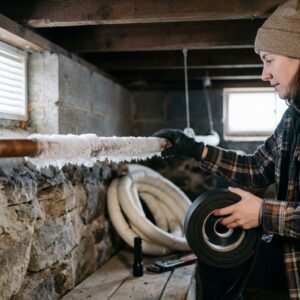
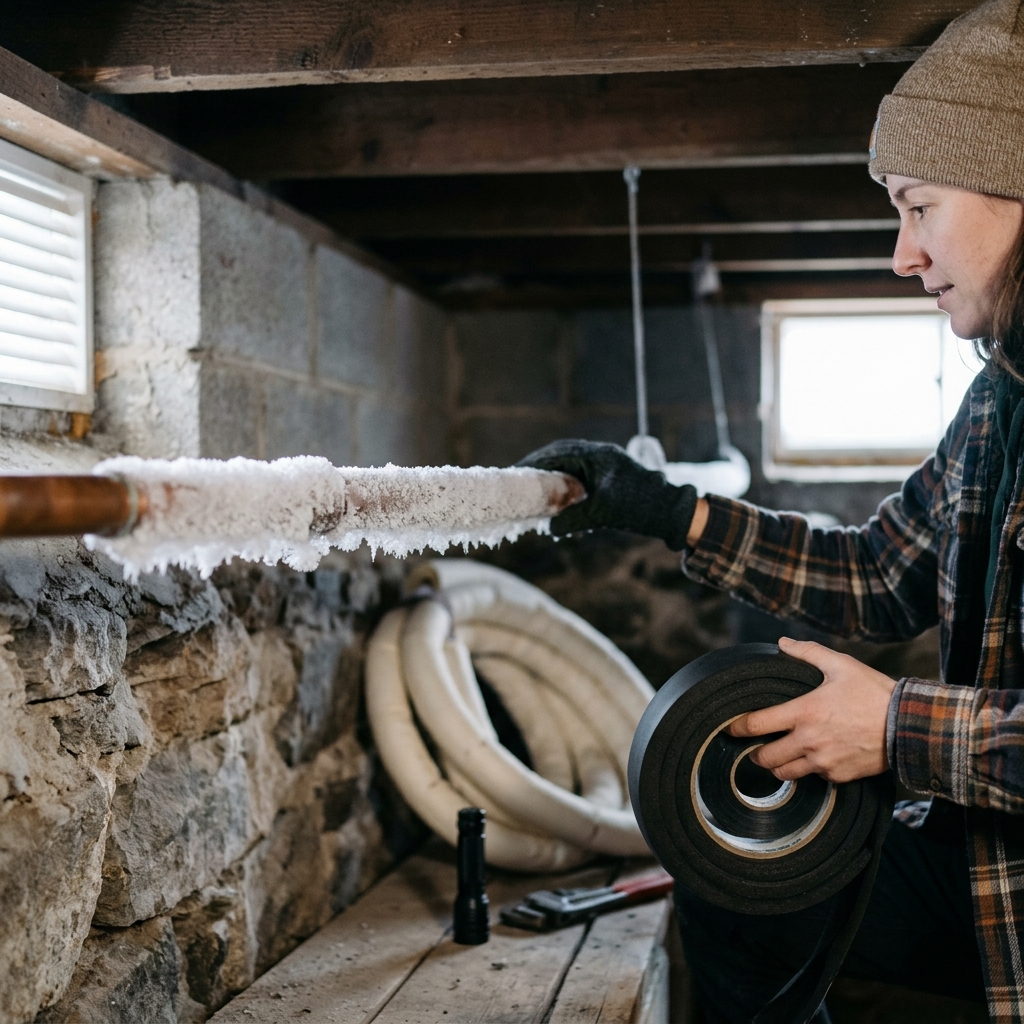
Basements, crawl spaces, attics, and garages are prime freeze zones. These areas often lack heat and insulation, leaving pipes exposed to plunging temperatures. Crawl spaces are especially notorious in older Evansville homes.
2. Pipes Against Exterior Walls
Water lines that run along, or inside, exterior walls have far less protection from the cold. When there’s minimal insulation between the pipe and the outside air, a hard freeze can lock them up fast.
3. Outdoor and Entry-Point Plumbing
Outdoor hose bibs, sprinkler lines, and the points where water service enters the home are highly exposed. These spots freeze early and often, and are frequently the first sign of trouble.
The American Red Cross confirms this pattern, noting that pipes in unheated interior spaces, against exterior walls, and in outdoor or exposed areas are the most freeze-prone.
Read the Red Cross’s frozen pipe guidance here.
How to Prevent Frozen Pipes Before the Cold Hits
The good news: a little preparation before temperatures start dropping can go a long way. Here are simple steps homeowners can take ahead of winter:
- Insulate exposed pipes. Add foam pipe insulation or heat tape to pipes in unheated spaces like crawl spaces, basements, garages, and attics.
- Seal drafts near pipes. Close up cracks and gaps in exterior walls, around rim joists, and near where pipes enter the home to keep frigid air away from your plumbing.
- Disconnect and drain outdoor hoses. Remove garden hoses, shut off and drain outdoor faucets and sprinkler lines, and install faucet covers before the first hard freeze.
- Know where your main shutoff is. Locate it now, while it’s calm, so you can act fast if a pipe ever does burst.
- Keep the heat on. If you travel in winter, don’t set the thermostat below 55°F, and have someone check on the house.
When a hard freeze is in the forecast, a few extra steps help:
- Let a faucet drip. Allowing a trickle of water to run through vulnerable pipes relieves pressure and makes freezing less likely.
- Open cabinet doors. Letting warm household air reach pipes under sinks (especially on exterior walls) helps keep them above freezing.
- Keep garage doors closed if there are water lines in the garage.
What to Do If Your Pipes Freeze
If you turn on a faucet and only a trickle comes out, you may have a frozen pipe. Here’s what to do:
- Keep the faucet open. As the pipe thaws, running water helps melt the ice and relieves pressure.
- Never use an open flame (like a blowtorch) to thaw a pipe, it’s a serious fire risk and can damage the pipe.
- Know where your main shutoff is, in case a pipe has already burst.
- Call a professional if you can’t locate or safely thaw the frozen section.
How Professional Pipe Thawing Works
Professional pipe thawing uses specialized equipment to safely and gradually thaw a frozen line without damaging it, something a DIY approach can easily get wrong. At Hydromax, our team can locate the frozen section, thaw it safely, and, critically, check whether the pipe has already cracked.
Because every situation is different, the location of the frozen pipe, how severe the freeze is, whether the line has already burst, and whether it’s an after-hours emergency, we provide free estimates so you get a clear, upfront quote for your specific situation before any work begins.
Learn about our pipe thawing service here.
Frozen Pipe? Don’t Wait, Call Hydromax
A frozen pipe can go from inconvenience to catastrophe in a matter of hours. With 45+ years of local experience and 24/7 emergency service, Hydromax Services is here when Evansville winters strike.
Facing a frozen pipe? Contact us now.
Frequently Asked Questions
Before winter, insulate exposed pipes, seal drafts near plumbing, disconnect outdoor hoses, and keep your home heated. During a hard freeze, let a faucet drip, open under-sink cabinet doors, and keep garage doors closed to protect water lines.
Sometimes, but waiting is risky. A frozen pipe may already be cracked, and as it thaws on its own, you could discover a leak or burst. Professional thawing is safer because it’s controlled and includes checking the pipe for damage.
The most common sign is little or no water coming from a faucet during cold weather. You may also see frost on an exposed pipe or notice a section that’s especially cold to the touch.
You can keep the faucet open and apply gentle warmth to accessible pipes, but never use an open flame. If the pipe is hidden, inaccessible, or you suspect it’s burst, call a professional.