A professionally installed sump pump helps protect basements from heavy Indiana rainfall, groundwater intrusion, and rising water tables by automatically collecting and redirecting excess water away from the foundation. This proactive system reduces the risk of flooding, structural damage, mold growth, and costly repairs while keeping the basement dry year-round. Homeowners should also work with a trusted plumbing company in Evansville, IN, that understands local weather patterns and drainage challenges unique to the Evansville area.
Why Are Basement Floods a Common Problem in Evansville?
Basement flooding is a frequent concern for homeowners throughout Evansville due to seasonal storms, heavy rainfall, and fluctuating groundwater levels. Southwestern Indiana experiences significant precipitation throughout the year, with spring and summer storms often producing several inches of rain within a short period. When the ground becomes saturated, water naturally seeks the path of least resistance, which often leads toward basement walls and foundations.
Many homes in the area have below-grade living spaces that can become vulnerable to water intrusion if proper drainage systems are not in place. Investing in sump pump installationprovides an effective first line of defense against these common flooding risks.
How Does a Sump Pump Protect Your Home?
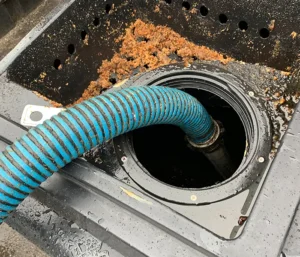
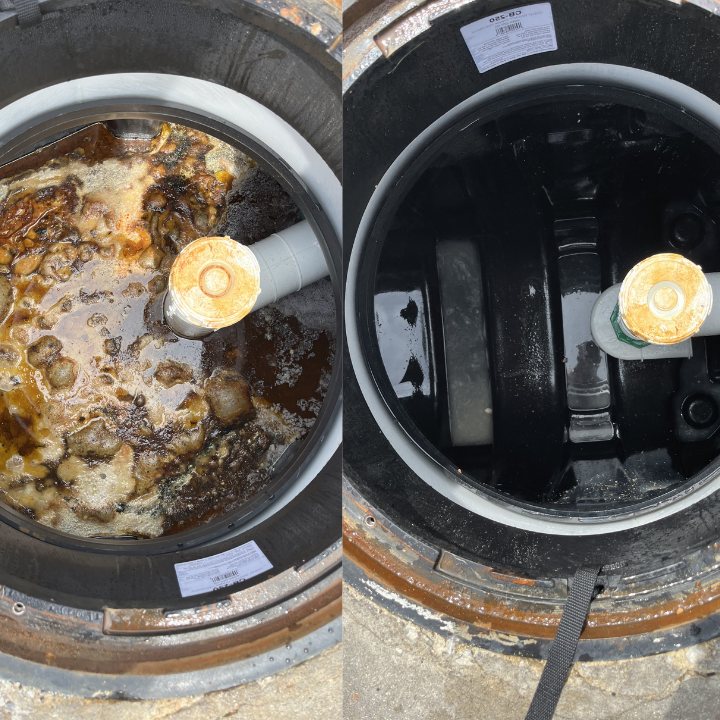
A sump pump is installed in a specially constructed pit, commonly known as a sump basin, located at the lowest point of the basement or crawl space. As water accumulates around the foundation, it flows into the basin. Once the water reaches a predetermined level, the pump automatically activates and discharges the water safely away from the home.
Key benefits include:
- Preventing basement flooding during storms
- Protecting foundation walls from hydrostatic pressure
- Reducing mold and mildew growth
- Preserving flooring, furniture, and stored belongings
- Improving indoor air quality
- Helping maintain property value
Homeowners who schedule sump pump installation in Evansville, IN, often gain peace of mind knowing their property is protected during severe weather events.
Types of Sump Pumps Available
Choosing the right sump pump depends on the home’s specific drainage needs and budget.
Submersible Sump Pumps
Submersible pumps sit directly inside the sump pit and operate underwater. These systems are quieter, more powerful, and generally have a longer lifespan.
Advantages include:
- Quiet operation
- Higher pumping capacity
- Less visible installation
- Better suited for frequent water accumulation
Pedestal Sump Pumps
Pedestal pumps feature a motor mounted above the basin, making maintenance easier.
Advantages include:
- Lower upfront cost
- Easier access for repairs
- Longer motor life due to dry placement
Both systems can effectively protect a basement when properly installed by an experienced professional.
What Causes Basement Water Problems?
Several factors contribute to water intrusion around foundations.
- Heavy Rainfall
Evansville receives approximately 45 inches of rainfall annually, creating significant pressure around basement walls during storms.
- Poor Grading
Improper yard grading can direct water toward the foundation instead of away from the home.
- Clogged Gutters and Downspouts
Overflowing gutters allow water to pool near foundation walls, increasing the risk of seepage.
- High Water Tables
Some neighborhoods experience naturally elevated groundwater levels that increase the risk of flooding during wet seasons.
- Foundation Cracks
Even small foundation cracks can allow substantial amounts of water to enter over time.
Addressing these issues alongside professional sump pump installation creates a comprehensive water management strategy.
What Should Homeowners Expect During Installation?
A professional sump pump installation typically follows several steps:
- Evaluate basement drainage conditions.
- Determine the best location for the sump basin.
- Excavate the sump pit.
- Install the basin and pump system.
- Connect discharge piping.
- Route water safely away from the structure.
- Test the system under operating conditions.
- Verify proper drainage performance.
Most residential installations can be completed in a single day, depending on the project’s complexity.
Why Does Early Installation Save Money?
Waiting until flooding occurs often results in significantly higher expenses than preventative installation.
Potential flood-related costs may include:
- Water damage restoration
- Drywall replacement
- Flooring repairs
- Mold remediation
- Furniture replacement
- Foundation repairs
- Temporary relocation expenses
A properly functioning sump pump system helps homeowners avoid these costly emergencies while protecting valuable investments.
You Should Consider a Battery Backup System
Power outages frequently accompany severe storms. Unfortunately, these are often the exact moments when a sump pump is needed most.
Battery backup systems provide:
- Continued operation during electrical outages
- Additional protection during extreme rainfall
- Increased reliability during emergencies
- Reduced flood risk when primary systems fail
Many homeowners choose battery backups as part of a comprehensive basement protection plan.
How Often Should a Sump Pump Be Maintained?
Routine maintenance helps ensure dependable performance when heavy rainfall arrives.
Recommended maintenance tasks include:
- Testing the float switch every three months
- Cleaning debris from the basin
- Inspecting discharge lines annually
- Checking electrical connections
- Verifying proper pump activation
- Replacing aging pumps before failure
Most sump pumps have an average lifespan of 7 to 10 years, depending on usage and maintenance practices.
How Do You Choose the Right Plumbing Professional?
Selecting a qualified contractor is critical for long-term system performance.
Look for:
- Licensed and insured technicians
- Experience with basement drainage solutions
- Knowledge of local soil and groundwater conditions
- Positive customer reviews
- Transparent pricing
- Warranty coverage
- Emergency service availability
An experienced plumbing company in Evansville, IN, can evaluate your property’s specific flood risks and recommend the most effective solution.
Protect Your Basement Before the Next Storm Arrives
Basement flooding can happen quickly, but the damage can last for years. Investing in a reliable sump pump system is one of the most effective ways to protect your foundation, belongings, and peace of mind. Whether your home has experienced water intrusion before or you simply want to prepare for future storms, a professionally installed system provides dependable protection when you need it most.
For expert basement flood prevention solutions, trust Hydromax Plumbing. Contact our team today to schedule an inspection and learn how the right sump pump system can help keep your home dry, safe, and protected throughout every season.
Frequently Asked Questions
Heavy rainfall, saturated soils, and rising groundwater levels can create significant flooding risks. A sump pump automatically removes excess water before it damages your basement.
Look for licensed professionals with local experience, positive reviews, proper insurance, and expertise in drainage and waterproofing systems.
Most residential sump pumps last between 7 and 10 years when properly maintained.
Yes. Installing a battery backup system allows the pump to continue operating during electrical outages.
Submersible pumps operate inside the sump basin underwater, while pedestal pumps have motors mounted above the basin for easier maintenance.
Experts recommend testing the system every three months and scheduling annual inspections.
Discharge lines typically direct water away from the home’s foundation to a safe drainage area or approved stormwater outlet.
Common signs include unusual noises, frequent cycling, vibration, visible rust, and failure to activate during heavy rainfall.
Some insurance providers may offer discounts or reduced flood-related risk assessments. Homeowners should consult their insurance carrier for details.
Costs vary depending on pump type, basin requirements, discharge routing, and backup system options. A professional inspection provides the most accurate estimate.