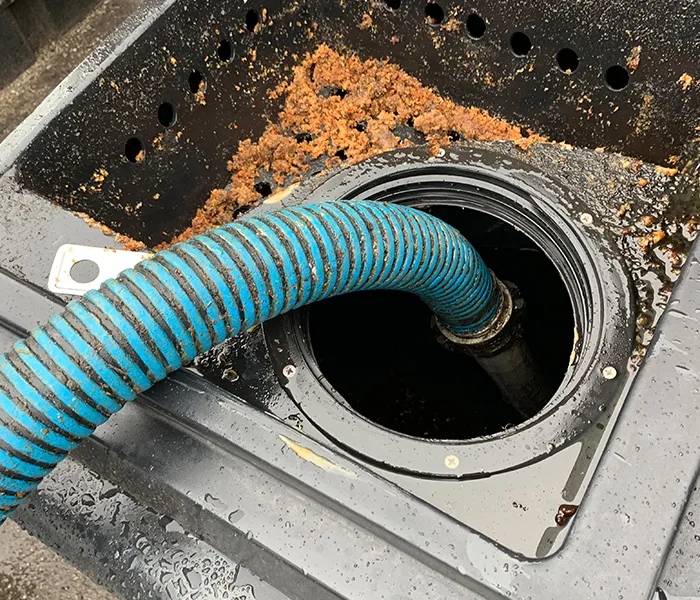
If you run a restaurant, cafe, or any food service business in the Evansville area, there’s a compliance requirement that’s easy to overlook until it becomes a costly problem: FOG. Short for Fats, Oils, and Grease, FOG management isn’t just good kitchen housekeeping, it’s a regulatory obligation with real consequences for non-compliance.
At Hydromax Services, our grease and septic division helps food service establishments across Southern Indiana stay compliant, avoid fines, and keep their kitchens running. Here’s what every operator needs to understand.
What Is FOG, and Why Does It Matter?
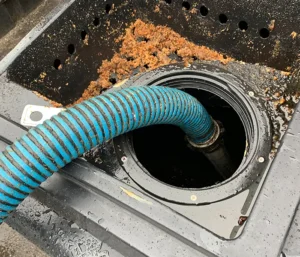
FOG refers to the fats, oils, and grease generated during food preparation, from fryer oil and pan drippings to dairy, sauces, and meat fats. When these substances go down the drain, they cool, solidify, and cling to the inside of sewer pipes.
Over time, that buildup restricts flow and causes sanitary sewer overflows (SSOs), which can back up into your business, contaminate the environment, and disrupt the public sewer system. According to the U.S. Environmental Protection Agency’s National Pretreatment Program, grease from restaurants and food service establishments is a leading cause of sewer blockages nationwide.
Read about the EPA’s National Pretreatment Program here:
https://www.epa.gov/npdes/national-pretreatment-program
How FOG Rules Work in Indiana
Here’s a key point many operators don’t realize: FOG compliance in Indiana is enforced at the local level. While the EPA sets the national framework, it’s your local sewer utility that adopts and enforces the specific rules your business must follow.
In Evansville, that authority is the Evansville Water & Sewer Utility (EWSU), which maintains a Fats, Oils & Grease prevention program and a formal FOG policy governing grease removal systems. Under EWSU’s policy, a grease interceptor is required for commercial buildings with food service, and there are limits on how much FOG can be discharged into the public sewer.
Review EWSU’s Fats, Oils & Grease Prevention program here:
https://ewsu.com/water-sewer/sewer-wastewater/fats-oils-grease-prevention
Because requirements vary by jurisdiction, always confirm the specific rules with your local utility. If you operate outside Evansville, your city or county’s sewer authority will have its own FOG policy.
The Core Compliance Requirements
While specifics vary by locality, food service FOG compliance generally comes down to a few essentials:
- Install an appropriately sized grease interceptor or trap. The right size depends on your kitchen’s output and must meet your utility’s specifications.
- Clean and maintain it on a regular schedule. A trap that’s overdue for cleaning stops working, which is both a compliance violation and a backup risk.
- Keep documentation. Utilities often require records of cleaning and maintenance to demonstrate compliance during inspections.
- Dispose of waste properly. Used cooking oil and grease trap waste must be handled by a permitted hauler, not poured down drains or into dumpsters.
How Hydromax Helps You Stay Compliant
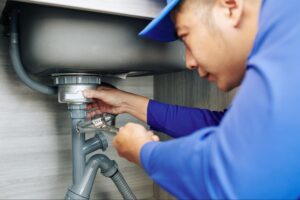
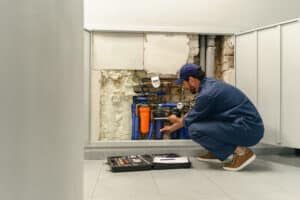
Meeting these requirements is far easier with the right partner. Hydromax Services, through our grease and septic division, offers the full range of FOG services food businesses need under one roof:
Grease trap installation sized correctly for your operation and your utility’s specs:
https://hydromaxservices.com/services/grease-trap-installation/
Scheduled grease trap cleaning to keep your system working and your records in order:
https://hydromaxservices.com/greaseandseptic/grease-trap-cleaning/
Used cooking oil collection for proper, compliant disposal:
https://hydromaxservices.com/greaseandseptic/used-cooking-oil-collection/
Explore our full grease and septic solutions here:
https://hydromaxservices.com/greaseandseptic/
Don’t Wait for a Backup or a Fine
FOG compliance is one of those responsibilities that’s invisible until something goes wrong, and when it does, it’s expensive. A proactive grease management program protects your plumbing, keeps you compliant with local regulations, and keeps your kitchen open for business.
Have questions about your grease trap or FOG requirements? Contact the Hydromax team here:
https://hydromaxservices.com/contact/
Frequently Asked Questions
In most Indiana jurisdictions, yes. FOG rules are set locally by your sewer utility. In Evansville, EWSU policy requires a grease interceptor for commercial buildings with food service. Always confirm the exact requirement with your local utility.
It depends on your trap size and how much FOG your kitchen produces. Many utilities expect regular scheduled cleaning and documentation. A professional can help you set a compliant maintenance schedule.
Non-compliance can lead to fines, penalties, and sewer backups into your business. Overflows can also cause environmental contamination, for which your business may be held responsible.
No. Hot water only moves grease further down the line before it cools and hardens. Used cooking oil must be collected and disposed of by a permitted hauler.