Whether you’re buying a home, building on rural property, or simply trying to understand how your wastewater system works, you’ve probably wondered:
Is a septic system better than city sewer?
The truth is, neither system is inherently “better.” Each has its own advantages, maintenance requirements, and long-term considerations.
The right choice often depends on your property’s location, local infrastructure, and your personal preferences as a homeowner.
At Hydromax Services, we help homeowners throughout Southern Indiana maintain and service wastewater systems of all kinds. Understanding how septic systems and municipal sewer systems differ can help you make informed decisions and avoid unexpected surprises down the road.
What’s the Difference Between a Septic System and City Sewer?
Although both systems manage wastewater from your home, they do it in very different ways.
A city sewer system transports wastewater through underground municipal pipes to a centralized wastewater treatment facility.
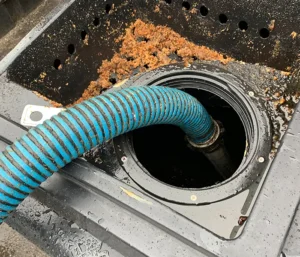
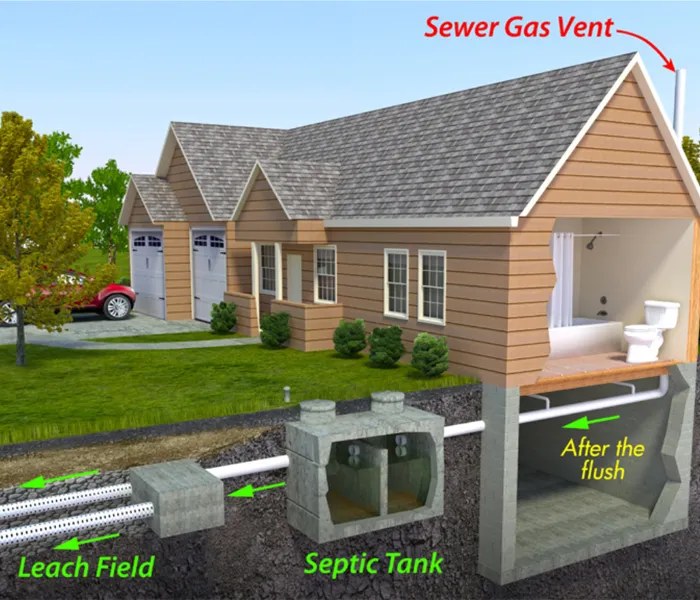
A septic system, on the other hand, treats wastewater directly on your property using a septic tank and drain field.
Both systems are designed to safely manage household wastewater, but the responsibility for maintenance differs significantly.
The Benefits of a Septic System
Many homeowners appreciate the independence that comes with a properly maintained septic system.
Some advantages include:
• No monthly municipal sewer bill
• Private, on-site wastewater treatment
• Long service life with proper maintenance
• Ideal for rural and suburban properties without sewer access
When routinely inspected and pumped, septic systems can provide reliable performance for decades.
The Benefits of City Sewer
For homeowners in areas served by municipal sewer infrastructure, city sewer offers convenience.
Benefits often include:
• No septic tank pumping
• Municipal management of wastewater treatment
• No drain field on your property
• Less homeowner responsibility for wastewater treatment
However, homeowners typically pay ongoing sewer fees as part of their utility services, and repairs to private sewer laterals may still be the homeowner’s responsibility.
Which System Costs Less?
The answer depends on how you look at long-term ownership.
Septic systems generally require:
• Routine pumping every few years
• Periodic inspections
• Responsible household water use
City sewer systems generally require:
• Monthly sewer utility charges
• Maintenance of the home’s private sewer line when necessary
While septic owners have maintenance responsibilities, municipal sewer users often pay recurring utility costs throughout the life of the home.
Neither option is automatically less expensive—it depends on the property and how the system is maintained.
Common Misconceptions About Septic Systems
Many people assume septic systems are difficult to own.
In reality, modern septic systems are highly reliable when properly maintained.
Routine pumping, periodic inspections, and avoiding improper disposal of grease, wipes, and other materials go a long way toward keeping the system functioning properly.
For many homeowners, septic maintenance simply becomes another part of routine homeownership.
Learn more about septic system care from the U.S. Environmental Protection Agency:
Which System Is Right for Your Property?
If your home is located within city limits, your property may already be connected to a municipal sewer system.
Homes in more rural areas often rely on septic systems because municipal sewer service isn’t available.
When purchasing a home, it’s important to understand:
• Which type of wastewater system serves the property
• The maintenance history
• Whether inspections have been completed
• The age and condition of the system
Knowing this information before buying can help you avoid unexpected maintenance costs later.
Why Maintenance Matters—No Matter Which System You Have
Whether your property uses a septic system or city sewer, regular maintenance is essential.
Ignoring warning signs like slow drains, recurring backups, sewage odors, or unusually wet areas around your property can allow small issues to become much larger and more expensive.
Routine inspections and preventative maintenance help protect your home, your property, and your investment.
Why Homeowners Trust Hydromax Services
Wastewater systems may not be something homeowners think about every day—but when questions or problems arise, having an experienced local team matters.
Hydromax Services provides dependable wastewater solutions backed by knowledgeable professionals who understand the unique needs of homes throughout Southern Indiana.
Whether you need septic maintenance, wastewater services, inspections, or expert guidance, we’re committed to helping homeowners protect their property with honest recommendations and reliable service.
We’re proud to serve homeowners throughout Evansville, Newburgh, Boonville, Princeton, Mount Vernon, Henderson, and surrounding communities.
Have Questions About Your Septic System?
Whether you’re buying a home with a septic system, need routine maintenance, or simply want to better understand how your wastewater system works, Hydromax Services is here to help.
Our experienced team can answer your questions, recommend preventative maintenance, and provide dependable septic services to help keep your system operating at its best.
Learn more about our services:
Contact Hydromax Services:
https://hydromaxservices.com/contact/
Frequently Asked Questions
Neither system is universally better. Septic systems offer independence from municipal utilities, while city sewer systems provide centralized wastewater treatment. The right choice depends on your property’s location, available infrastructure, and maintenance preferences.
Not necessarily. Most septic systems require routine inspections and pumping every three to five years, along with responsible household use.
Yes. While municipalities maintain public sewer infrastructure, homeowners are generally responsible for maintaining the private sewer line connecting their home to the public system.
In some areas, properties may be able to connect to municipal sewer if service is available. Availability, local regulations, and connection costs vary by location.