One of the most common questions homeowners ask about their septic system is also one of the most important:
“How often should I have my septic tank pumped?”
It’s a fair question—and one we hear often.
The honest answer is that every septic system is different. While there isn’t a one-size-fits-all schedule, one thing is certain: waiting until there’s a problem is usually too late.
Routine septic pumping removes accumulated solids before they can cause backups, unpleasant odors, drain field damage, or expensive repairs. With regular maintenance, your septic system can continue operating efficiently for years while helping you avoid unnecessary costs down the road.
At Hydromax Services, we provide professional septic pumping, inspections, and preventative maintenance for homeowners throughout Evansville and the surrounding communities. As we’ve expanded our residential wastewater services, our goal remains the same: helping homeowners protect one of the most important systems on their property.
So…How Often Should a Septic Tank Be Pumped?
For many households, septic tanks should generally be pumped every three to five years.
However, there isn’t a universal schedule.
Several factors influence how often your tank needs service, including:
• The size of your septic tank
• The number of people living in your home
• Daily water usage
• Whether you regularly use a garbage disposal
• The amount of solids entering the system
A larger household typically fills a septic tank much faster than a home with one or two occupants.
Rather than relying solely on the calendar, it’s best to have your septic system inspected periodically so maintenance recommendations are based on your home’s actual needs.
According to the U.S. Environmental Protection Agency (EPA), regular inspections and pumping are among the most important steps homeowners can take to maintain a healthy septic system.
Learn more:
https://www.epa.gov/septic
Why Routine Septic Pumping Matters
Your septic tank naturally separates wastewater into three layers:
• Scum floating on top
• Liquid wastewater in the middle
• Sludge settling at the bottom
Over time, the sludge layer continues to build.
If too much solid material accumulates, it can begin moving into the drain field, potentially clogging pipes, reducing drainage, and leading to expensive repairs.
Routine pumping removes this buildup before it creates larger problems, helping your entire septic system continue operating as designed.
Signs Your Septic Tank May Need Pumping
While routine maintenance is always the best approach, your septic system may also provide warning signs that service is overdue.
Watch for:
• Slow-draining sinks, tubs, or showers
• Toilets that flush slowly
• Gurgling sounds in your plumbing
• Sewage odors around your yard
• Wet or soggy areas near your drain field
• Sewage backing up into your home
If you notice any of these signs, scheduling service sooner rather than later may help prevent more extensive damage.
Can Routine Pumping Help Prevent Expensive Repairs?
In many cases, yes.
Routine septic maintenance is one of the simplest ways to help extend the life of your septic system.
Without regular pumping, excess solids can eventually reach the drain field—one of the most expensive components of the entire system to repair or replace.
While every system is different, preventative maintenance is typically far more affordable than major septic repairs.
Think of it the same way you think about changing the oil in your vehicle. A little routine maintenance today can often help prevent much larger expenses tomorrow.
What Happens During a Septic Pumping Appointment?
Many homeowners are surprised by how straightforward the process actually is.
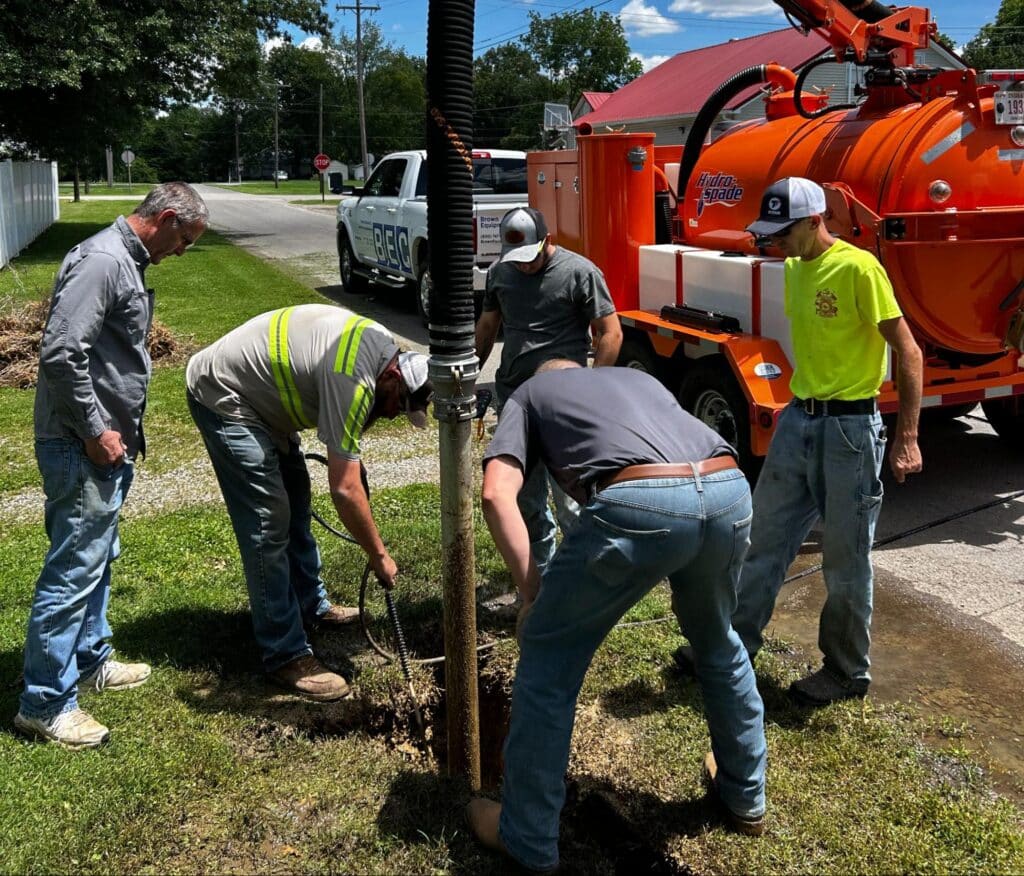
During a typical appointment, a Hydromax Services technician will:
• Locate and access your septic tank
• Measure sludge and scum levels
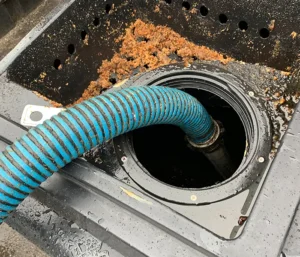
• Pump accumulated waste from the tank
• Perform a visual inspection of accessible components
• Recommend a maintenance schedule based on your household’s usage
Our team believes education is just as important as service. We’ll answer your questions, explain what we’re seeing, and provide recommendations to help keep your septic system operating efficiently.
Simple Ways to Help Your Septic System Last Longer
In addition to routine pumping, a few everyday habits can help reduce unnecessary strain on your septic system.
You can help protect your system by:
• Spacing out laundry loads throughout the week
• Avoiding flushing wipes, paper towels, or feminine hygiene products
• Keeping grease, oils, and food waste out of your drains
• Scheduling regular septic inspections and pumping
• Keeping heavy vehicles and equipment off your drain field
Small changes like these can make a big difference in the long-term performance of your septic system.
Why Homeowners Trust Hydromax Services
At Hydromax Services, we know your septic system is one of the most important parts of your home—and one that’s easy to forget until something goes wrong.
That’s why we focus on preventative maintenance, honest recommendations, and dependable service that helps homeowners stay ahead of costly repairs.
Whether you need routine septic pumping, an inspection, or help diagnosing a problem, our experienced team is here to provide reliable solutions backed by professional service and local expertise.
We’re proud to serve homeowners throughout Evansville, Newburgh, Boonville, Princeton, Mount Vernon, Henderson, and surrounding communities with trusted septic and wastewater services.
Schedule Septic Service Before Problems Start
The best time to pump your septic tank isn’t after a backup—it’s before one happens.
Routine maintenance helps protect your home, extend the life of your septic system, and reduce the likelihood of expensive repairs.
If you’re not sure when your septic tank was last pumped, or you’ve started noticing warning signs, Hydromax Services is here to help.
Learn more about our services:
Contact our team:
https://hydromaxservices.com/contact/
Frequently Asked Questions
Most residential septic tanks should be pumped every three to five years, although the ideal schedule depends on household size, tank capacity, water usage, and overall system demand.
Over time, sludge can accumulate inside the tank and eventually reach the drain field, increasing the risk of sewage backups, unpleasant odors, and costly repairs.
Common warning signs include slow drains, gurgling plumbing, sewage odors, standing water near the drain field, or wastewater backing up into your home.
No. Every home is different. The best maintenance schedule depends on the size of your household, your septic tank, water usage, and how your system is used.